Building & Sustaining Your Own Vision: A Guide for the Long Struggle Ahead
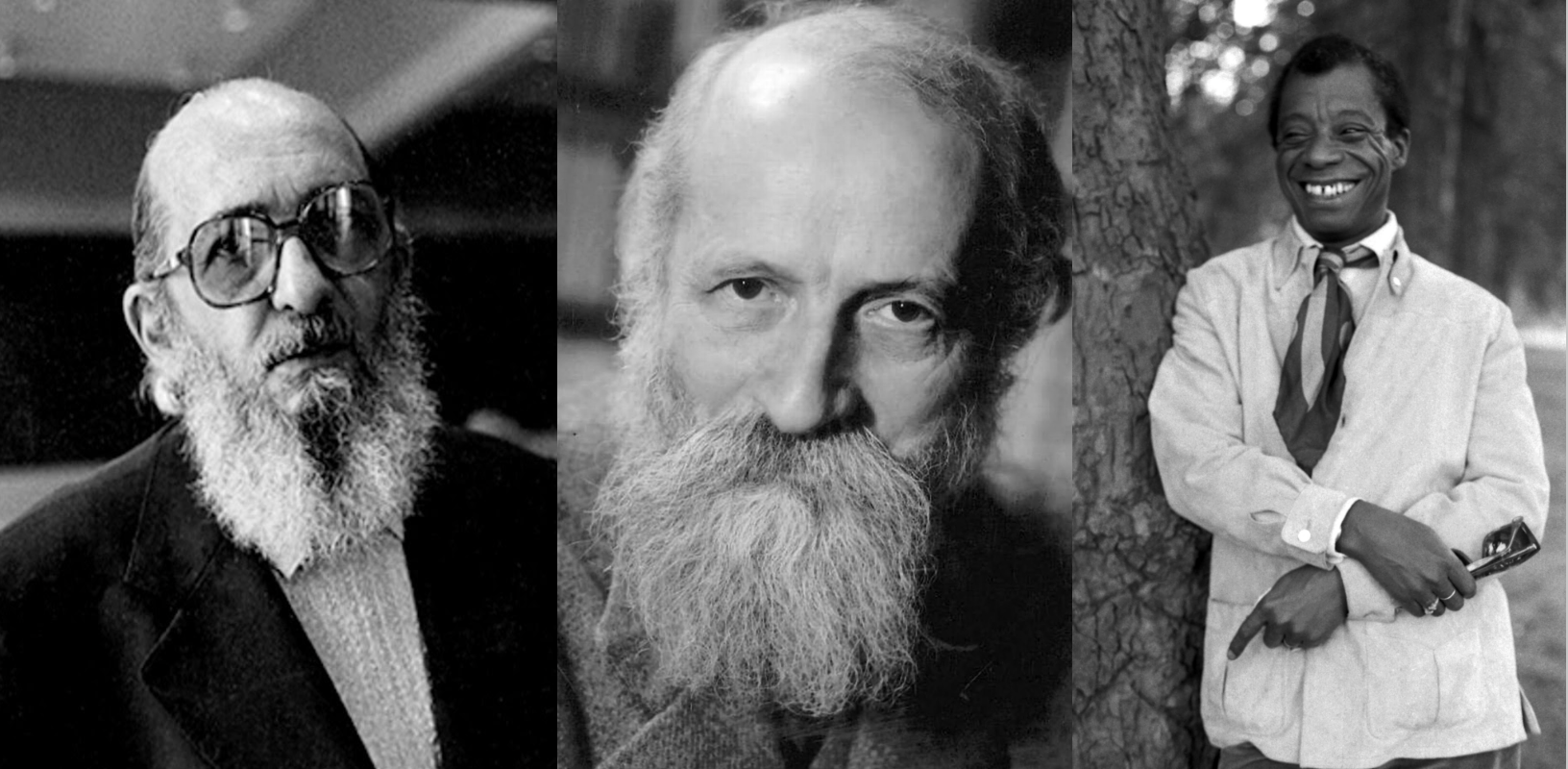
Paolo Friere/ Martin Buber / James Baldwin
The world can feel like it is unraveling. Economic inequality deepens, political corruption runs rampant, climate disaster looms, and the forces of reaction seek to strip away hard-won rights. For many, hope can feel like a fragile thing—constantly under attack, constantly in danger of being extinguished. And yet, we must resist despair.
To build a future that is just, sustainable, and rooted in human dignity, we must cultivate not just hope, but a vision—one that guides us through the chaos and strengthens us against the inevitable challenges ahead. Engagement, hope, and action are not just ideals; they are survival tools for what comes next.
Don’t Let Them Steal Your Joy
Power does not only function through laws and policies; it operates by shaping what we believe is possible. The forces that benefit from the status quo want you exhausted, cynical, and resigned. They want you to believe that nothing can change, that your voice does not matter, that hope is a naïve indulgence. But as James Baldwin reminds us:
“The world is before you and you need not take it or leave it as it was when you came in.”
Your joy, your imagination, and your belief in something better are acts of resistance. Do not let anyone rob you of them. Vision is not just about policy—it is about the emotional and intellectual strength to believe in a different world and the will to fight for it.
Why Engagement, Hope, and Action Matter
Engagement: The Collective Struggle for Change
Paulo Freire, in Pedagogy of the Oppressed, argues that liberation is only possible through the active participationof the oppressed in shaping their own destiny. Passive despair serves the oppressor; engagement challenges it. Whether through organizing, mutual aid, education, or direct action, your participation matters. Every major movement for justice—abolition, labor, civil rights—was won by those who refused to disengage.Hope: A Political Necessity, Not a Luxury
Hope is often dismissed as foolish optimism. But as Martin Buber wrote, real hope is not passive waiting—it is the work of making possible what seems impossible. The greatest transformations in history came not because people accepted reality as fixed, but because they dared to imagine and fight for something different. Hope is a discipline, a practice that must be cultivated and defended against cynicism.Action: Turning Vision into Reality
Hope without action is empty. Action without vision is directionless. Change requires both. Taking tangible steps—whether small or large—toward your vision keeps it alive. Build alternative structures, create networks of care, organize workplaces, defend public institutions. Every act of resistance, every step toward justice, matters.
How to Build Your Own Vision
Define What You Stand For
What does a just society look like to you?
What core values must guide your work?
What injustices do you refuse to tolerate?
Study & Learn from Others
Read James Baldwin on moral courage, Paulo Freire on education as liberation, and Martin Buber on radical hope.
Study movements—abolitionists, labor unions, civil rights organizers—and understand what made them successful.
Find or Build Community
Nothing is done alone. Isolation weakens movements; collective action strengthens them. Join or create spaces where like-minded people can strategize and support each other.
Engage in mutual aid, community education, labor organizing, or any space where people are actively reshaping their reality.
Take Tangible Steps Toward Your Vision
If your vision is strong public education, volunteer, advocate, or run for a school board seat.
If your vision is worker power, start or support union efforts.
If your vision is climate justice, fight for local environmental protections and sustainable infrastructure.
How to Sustain Your Vision When It’s Challenged
Expect Resistance, but Don’t Internalize It
Every movement that threatens power faces backlash. Opposition does not mean failure; it means you’re on the right track.
Build resilience through historical perspective—knowing that change is always hard-fought helps when faced with obstacles.
Create Joy as an Act of Resistance
Joy is not a distraction from struggle; it is what fuels it. Celebrate victories, no matter how small. Laugh, create, rest, and love within the movement. Cynicism is what the system wants; joy keeps us moving.
Revisit & Adapt Your Vision
Vision is not static. As the world changes, your understanding of what’s needed will too. Allow yourself to evolve while staying grounded in your core values.
Build Infrastructure That Lasts
Movements are not just about moments of uprising; they require long-term institutions, resources, and systems to endure. This means funding independent media, strengthening unions, supporting alternative economies, and training future leaders.
Conclusion: The Long Fight is Worth It
We are living in a time of great crisis, but also great possibility. The future is unwritten, and you have the power to shape it. Engagement, hope, and action are not luxuries; they are necessary tools for building something beyond the wreckage of the present. Do not let them steal your joy. Do not let them steal your vision.
The struggle is long, but so is our resolve. The future belongs to those who are willing to build it.